
A diamond bracelet can serve as an everyday piece, a milestone gift, or a formal accessory. For shoppers comparing a diamond bracelet Singapore retailers offer, the main challenge is balancing appearance, quality, comfort, and price without paying for features that add little in daily wear.
Start With the Bracelet Style
The setting changes how a bracelet looks, feels, and wears. Tennis bracelets place a continuous line of diamonds around the wrist and suit casual, office, and evening outfits.
Bangles feel more structured and often use fewer stones. Station bracelets space diamonds along a chain for a lighter look. Cuffs create a stronger visual statement, but fit matters because the opening must sit securely.
Before comparing stone grades, decide how often the bracelet will be worn. A flexible tennis bracelet may suit daily use, while a rigid bangle can work better for occasional dressing.
Judge Diamond Quality in Context
Diamond quality is commonly described through the 4Cs: cut, color, clarity, and carat weight. GIA notes that these factors work together when evaluating a diamond.
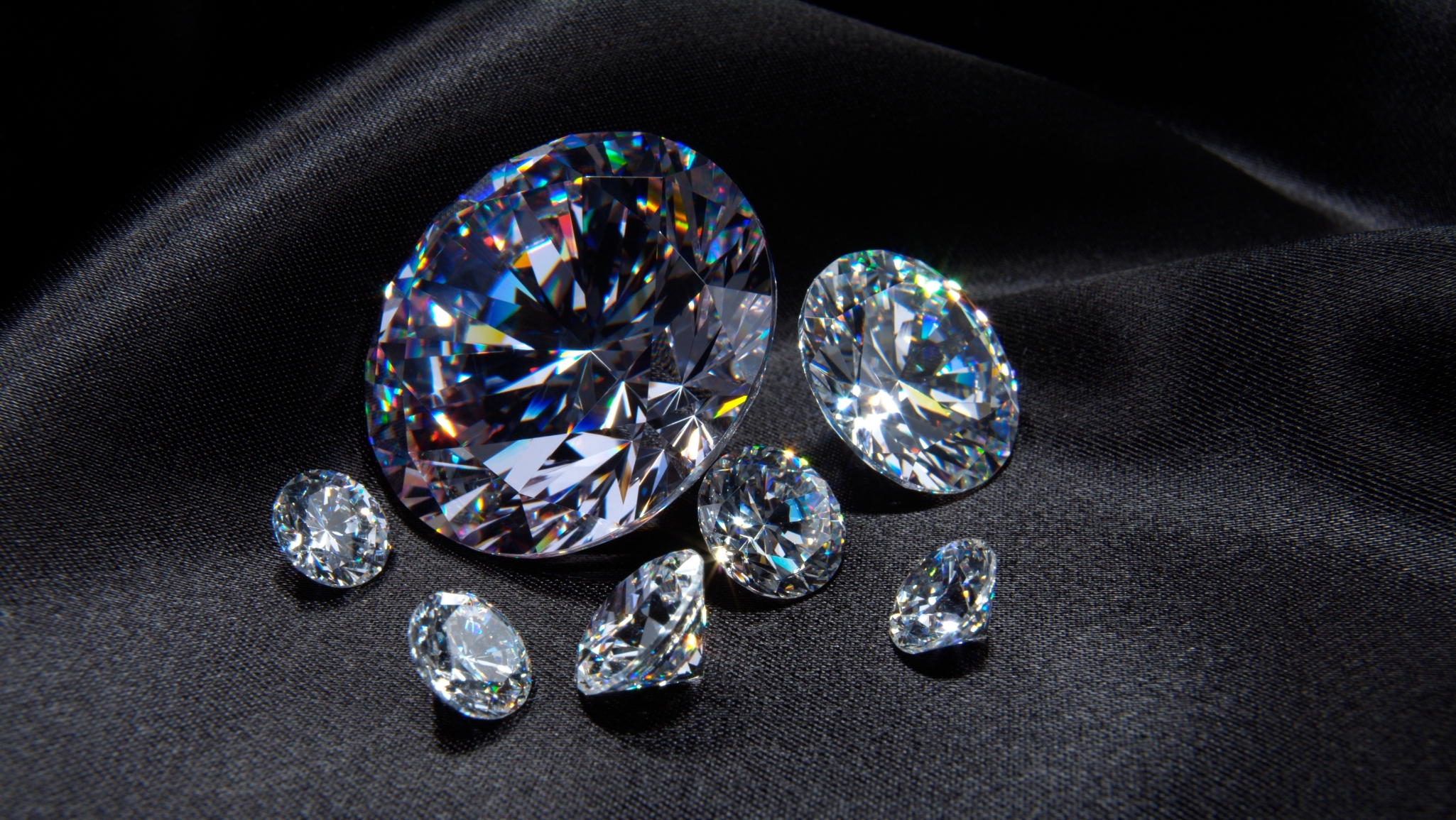
For a bracelet, cut deserves close attention because it affects brightness and sparkle. GIA explains that facet proportions and arrangement influence how light returns to the eye. A well-cut smaller stone can look more lively than a larger stone with weaker light performance.
Color and clarity can often be balanced for value. Small stones set side by side may not need very high clarity grades when minor inclusions cannot be seen without magnification. GIA grades clarity by the number, size, relief, nature, and location of characteristics.
Carat weight needs context too. It measures weight, not physical diameter, and a bracelet’s total carat weight is spread across several stones.
Compare Natural and Laboratory-Grown Options
Laboratory-grown diamonds can offer a larger visual presence at a given budget. They use the same familiar clarity language, although trained laboratories can identify growth features that distinguish them from natural diamonds.
Some buyers prefer natural diamonds for their geological origin and traditional market position. Others focus on design, size, and upfront cost, which can make laboratory-grown stones appealing.
Someone researching lab diamonds Spain may be comparing European jewelers, grading documents, prices, or design styles before buying locally or abroad. The useful comparison is the full offer: stone specifications, metal quality, warranty, return terms, and after-sales service.
Check the Metal, Clasp, and Construction
A bracelet has many moving parts, so construction quality matters as much as diamond grading. Common choices include 18K white, yellow, or rose gold, plus platinum at higher price points.
Inspect the links and joints for smooth movement. For tennis styles, a secure box clasp with an added safety latch can reduce the risk of accidental opening.
Ask how repairs are handled if a stone loosens or a link bends. A clear service policy can matter more over time than a small price difference.
Get the Fit Right Before Buying
A bracelet should move slightly without sliding over the hand. Too tight feels uncomfortable and stresses links. Too loose increases snagging and can make the piece rotate constantly.
Measure the wrist with a soft tape, then compare that number with the jeweler’s sizing method. Trying the piece on helps because stone size, setting height, and link construction affect how it sits.
For a gift, measure a bracelet the recipient already wears. If that is not possible, confirm whether resizing is available.
Budget for the Full Purchase
The sticker price is only one part of the cost. Resizing, delivery, insurance, maintenance, and taxes can change the final amount.
This matters when ordering from overseas. Singapore’s tax authority states that imported goods can be subject to 9% GST, with rules depending on value and import method. Buyers considering a diamond bracelet Singapore stores do not stock should calculate the landed cost before assuming an overseas listing is cheaper.
Ask for an itemized description showing metal purity, diamond type, total carat weight, and grading information for significant stones.
Care That Protects the Setting
Daily wear exposes a bracelet to lotion, soap, sweat, and impact. Clean it gently with mild soap, warm water, and a soft brush unless the jeweler gives different instructions.
Have the setting checked if the bracelet catches on fabric or a stone appears loose. Avoid wearing it during heavy lifting or tasks that place pressure on the links. Store it flat and separate from harder jewelry.
Make the Decision Around Wear
The strongest purchase is the bracelet that fits the intended use, wrist, budget, and maintenance expectations. Compare sparkle, security, documentation, and service instead of focusing on one grade or carat figure.
Research can extend beyond local shops, including searches such as lab diamonds Spain, but the final comparison should stay practical. A well-made piece with transparent specifications, comfortable sizing, and reliable support will usually be easier to own and enjoy for years.